
Buyers often ask one direct question: “Should I buy an open plot or an apartment in Vijayawada?” There is no honest answer without knowing the buyer’s purpose, budget, debt capacity, time horizon and need for immediate use.
A home is primarily a lifestyle and housing decision. A plot is usually a land ownership and future-use decision. Either can be financially sensible when bought at the right price with clear documents. Either can also become a burden when chosen only because of emotion, market pressure or appreciation promises.
1. Start with your purpose—not with the advertised return
An apartment may be useful when the family needs immediate possession, predictable community amenities, access to workplaces or the ability to rent the unit. An open plot may suit a buyer who already has housing and wants direct land ownership, future construction options or a longer holding horizon.
Before comparing projects, write down your primary goal and one secondary goal. For example:
- Primary goal: family residence within two years
- Primary goal: land ownership for ten or more years
- Primary goal: monthly rental income
- Primary goal: build a house later
- Secondary goal: potential resale appreciation
2. Open plot vs apartment: practical comparison
| Factor | Open plot | Apartment |
|---|---|---|
| Immediate use | Usually limited until construction | Can provide immediate residence or rent after possession |
| Monthly income | Normally none unless developed or leased for a permitted use | Possible rental income, subject to vacancy and maintenance |
| Maintenance | Boundary protection, taxes and periodic inspection | Association charges, repairs, common-area costs and ageing |
| Flexibility | Future construction subject to rules and approvals | Limited structural flexibility inside a completed building |
| Loan burden | Depends on plot loan availability and down payment | Home loans may be easier, but total EMI and interest can be substantial |
| Supply | Land is location-specific, but plotted supply can still be large | New apartment inventory and competing resale units affect pricing |
3. Compare total cash flow—not only the sale price
Apartment buyers often focus on the down payment and monthly EMI. Plot buyers may focus only on the quoted square-yard rate. Both approaches are incomplete.
For an apartment, include:
- Down payment, loan interest and processing charges
- Registration, taxes and possession-related payments
- Monthly maintenance and sinking-fund contributions
- Interiors, repairs and replacement of ageing equipment
- Vacancy, brokerage and tenant-management cost if rented
For an open plot, include:
- Development charges and complete registration cost
- Legal verification, survey and boundary-marking expenses
- Property taxes and periodic site inspection
- Compound-wall or fencing cost where appropriate
- Future building costs if construction is part of the plan
A comfortable EMI today can become stressful after a job change, health expense or family obligation. Maintain an emergency fund and do not depend on optimistic future income to justify excessive borrowing.
4. Land ownership, building ageing and maintenance are different
A plot gives ownership of a defined land parcel, subject to title, layout, boundaries and regulations. An apartment gives ownership of the unit together with an undivided share in the underlying land and rights in common areas, as stated in the documents.
Buildings age and require ongoing management. A well-maintained apartment in a demanded location can remain valuable, while a poorly managed building can become difficult to resell. A plot does not avoid all maintenance: encroachment risk, boundary disputes, road condition and neighbourhood changes still require attention.
5. Liquidity depends on price, location and buyer demand
Neither asset is automatically liquid. A competitively priced apartment near employment and daily services may sell faster than a remote plot. A legally clear, usable plot in an active corridor may attract more buyers than an ageing apartment with high maintenance.
Ask how many genuine end users could buy the property at your expected resale price. Avoid assuming that the seller will repurchase it or that a future buyer will accept any price.
6. Documents differ, but both require serious verification
Open plot checks
Title chain, EC, survey boundaries, sanctioned layout, approval reference, RERA record where applicable, access and development status.
Apartment checks
Land title, building permission, sanctioned plan, RERA record, completion or occupancy documentation, association records and undivided share.
Marketing brochures are not substitutes for the complete legal file. Obtain copies, confirm that names and survey/property details match, and use an independent lawyer or qualified professional where needed.
7. Who may prefer an apartment—and who may prefer a plot?
An apartment may be more suitable when:
- You need a residence within a defined time
- Location near work, education and daily services is essential
- You prefer managed common amenities and security
- You understand the EMI and can maintain an adequate emergency reserve
- The building, association and documents are strong
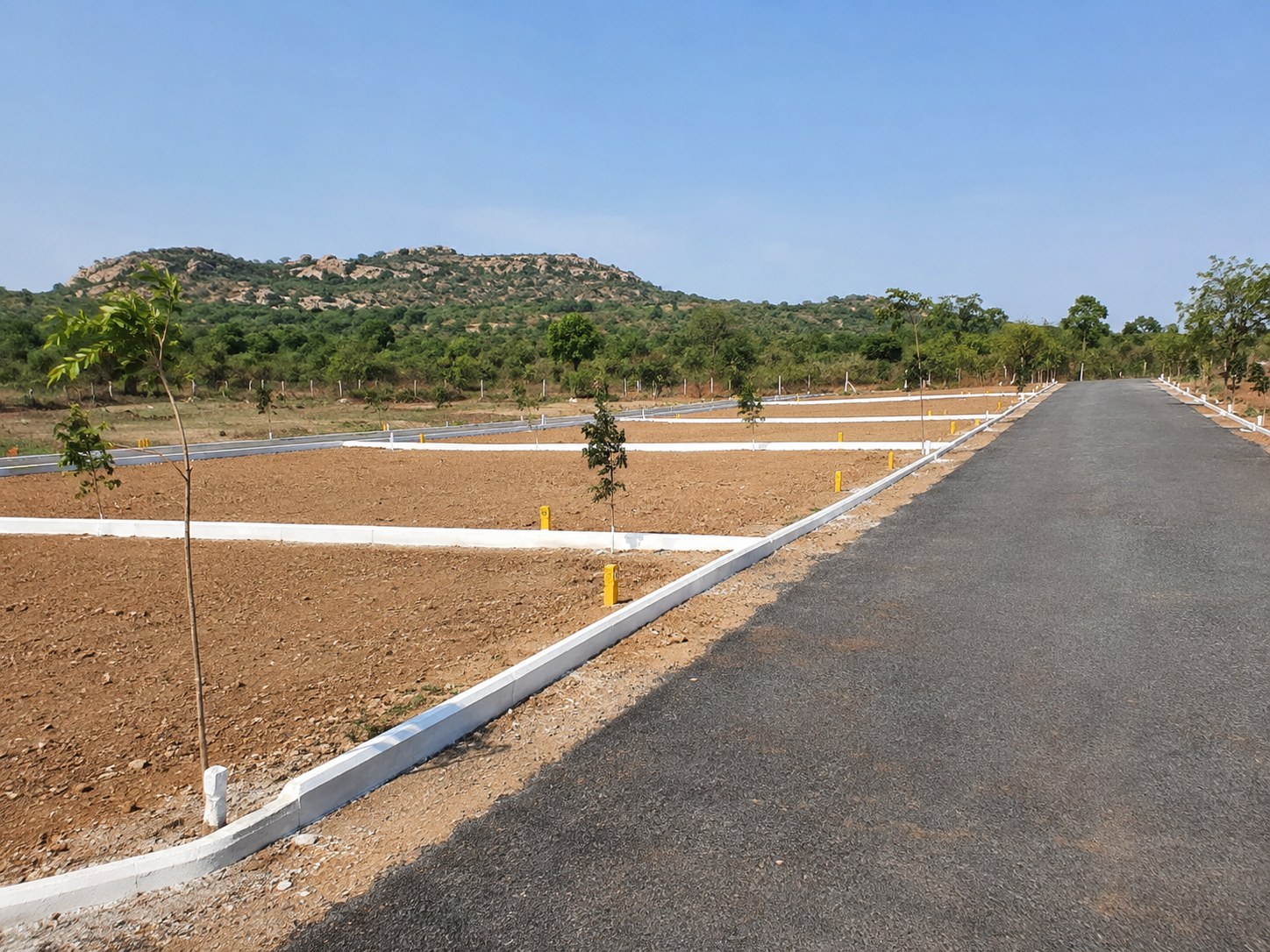
An open plot may be more suitable when:
- You already have suitable housing
- You want direct land ownership and future construction flexibility
- You can hold without depending on immediate rent or resale
- The layout, title, roads and boundaries are independently verified
- The location has realistic demand rather than only promotional hype
8. Final decision checklist
- Define the primary purpose of the purchase.
- Set a maximum budget including every additional cost.
- Stress-test the EMI or cash requirement against income changes.
- Compare three alternatives with the same written checklist.
- Verify documents before paying a substantial amount.
- Visit at different times and inspect the surroundings.
- Estimate realistic holding period and resale demand.
- Choose the asset that solves your actual need.
An apartment is not automatically consumption, and a plot is not automatically wealth. Quality, price, documents, financing, location and buyer purpose determine whether either purchase becomes useful.