Story 01
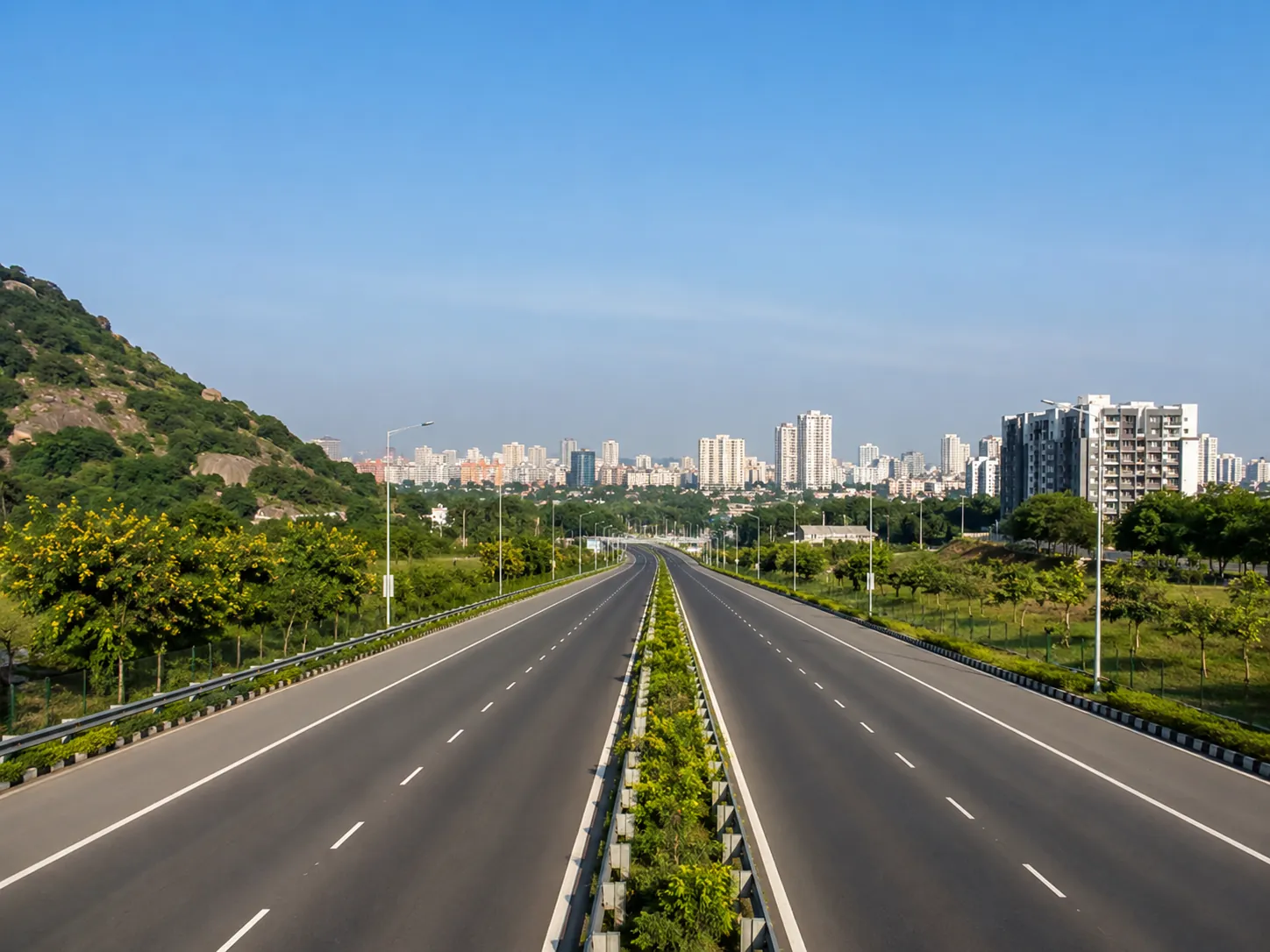
Hyderabad grew faster because connectivity improved around
ORR.
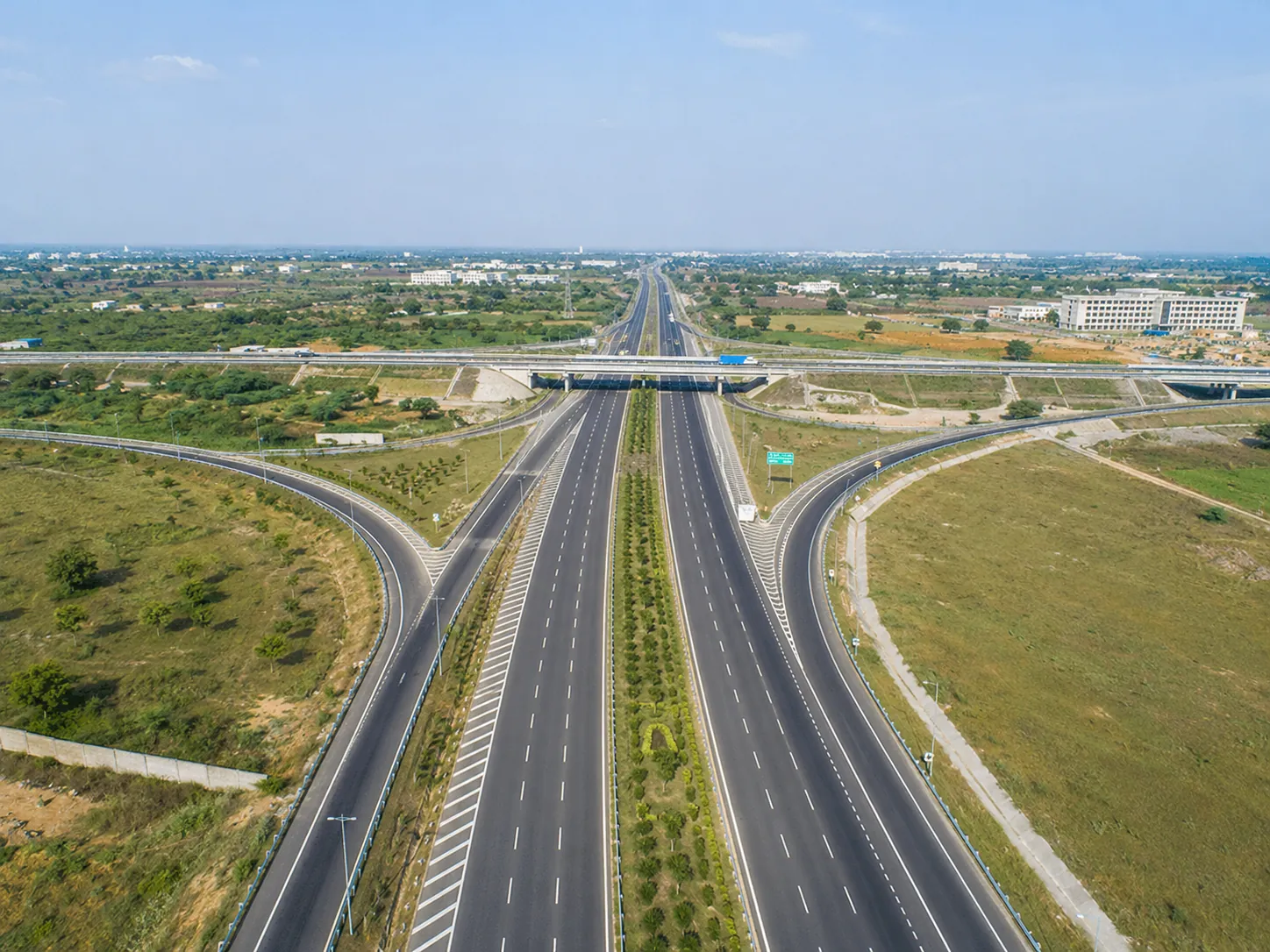
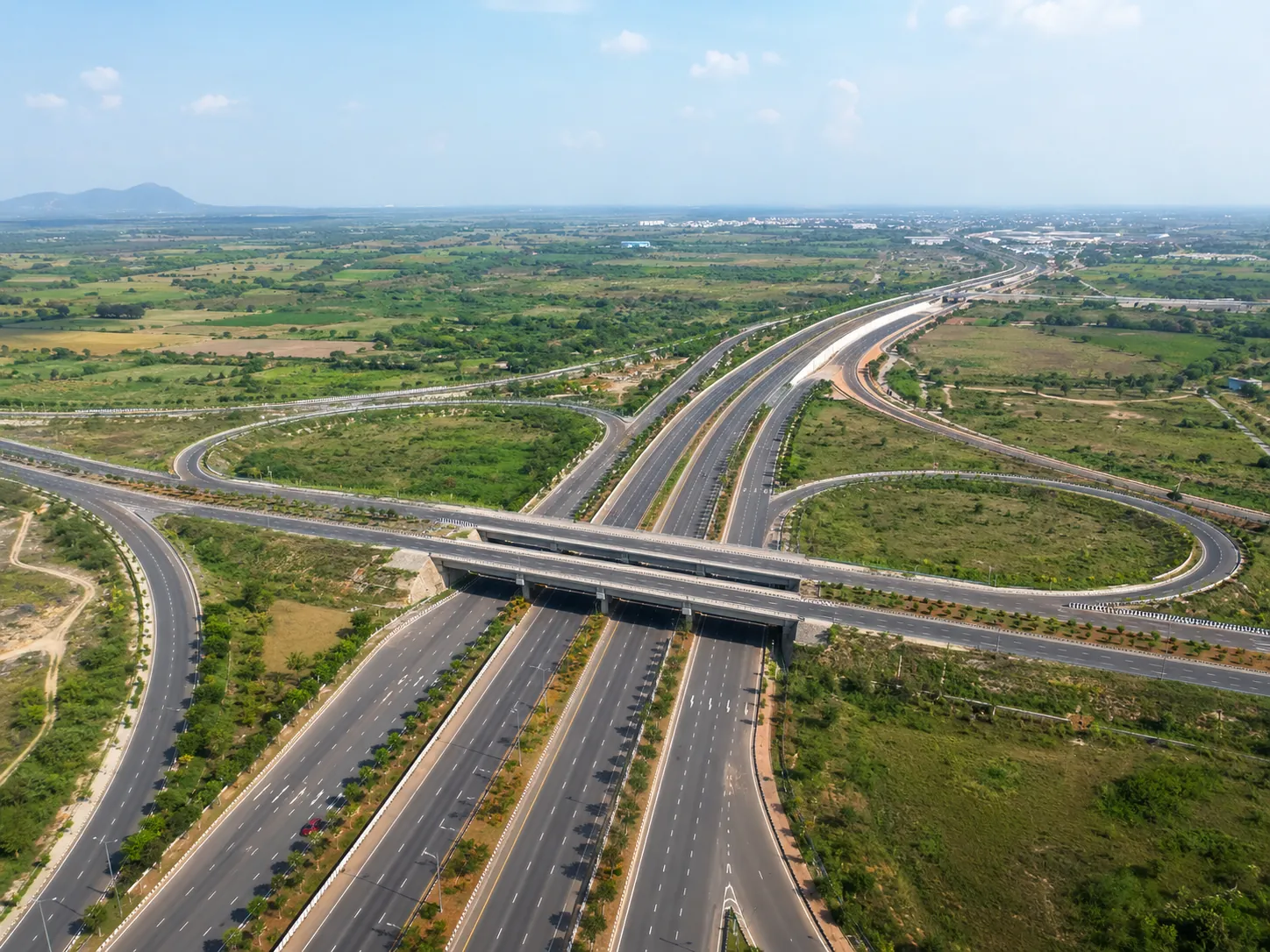
ORR changed access across Hyderabad. Faster travel, easier
movement and growing commercial activity helped many
micro-markets become stronger over time.
What did we learn?
- Big road networks change land demand.
- Connectivity makes new zones more usable.
- Growth usually follows infrastructure first.
Story 02
That same logic is important here now.
Investors today are not watching only one town. They are
studying the larger Vijayawada–Guntur–Amaravati direction,
where multiple infrastructure signals are shaping future
movement.
What should investors watch?
- Regional growth direction, not just current crowd.
- Connectivity between major activity centres.
-
How new roads support residential and commercial demand.
Story 03
It is not only ORR. Inner Ring Road matters too.
When Outer Ring Road and Inner Ring Road planning strengthen
together, local circulation and regional movement both
improve. This often increases attention on surrounding growth
pockets.
Why this matters
- ORR supports broad regional access.
- Inner Ring Road improves internal city movement.
- Together they can improve future demand visibility.
Story 04
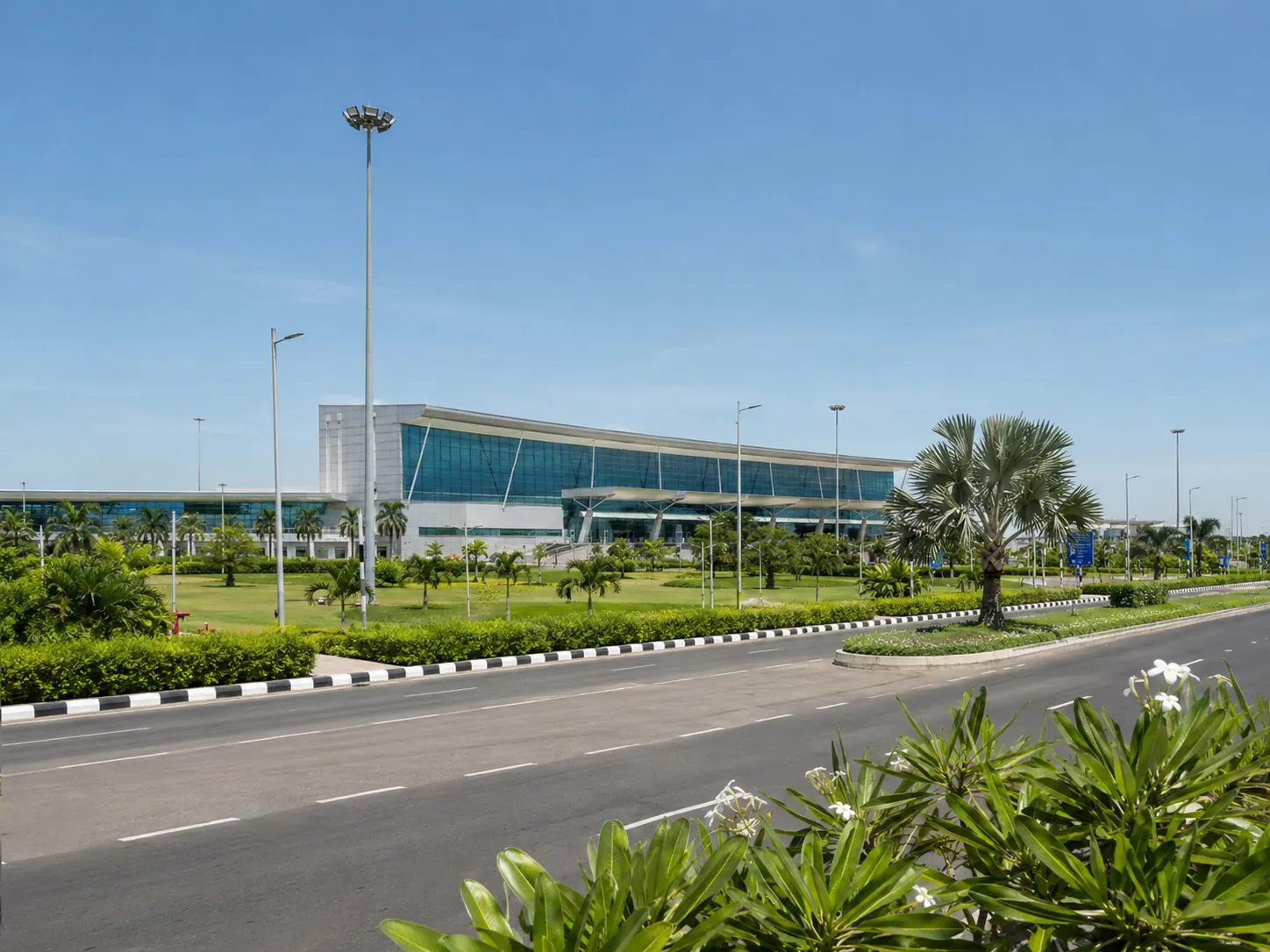
Airport connectivity is a demand signal, not only travel
comfort.
Airports improve perception, access and regional
attractiveness. Over time they can influence business
movement, hotels, logistics, warehousing and residential
demand.
What to remember
- Better access attracts more movement.
- Movement attracts jobs and supporting businesses.
-
That can improve long-term real-estate interest nearby.
Story 05
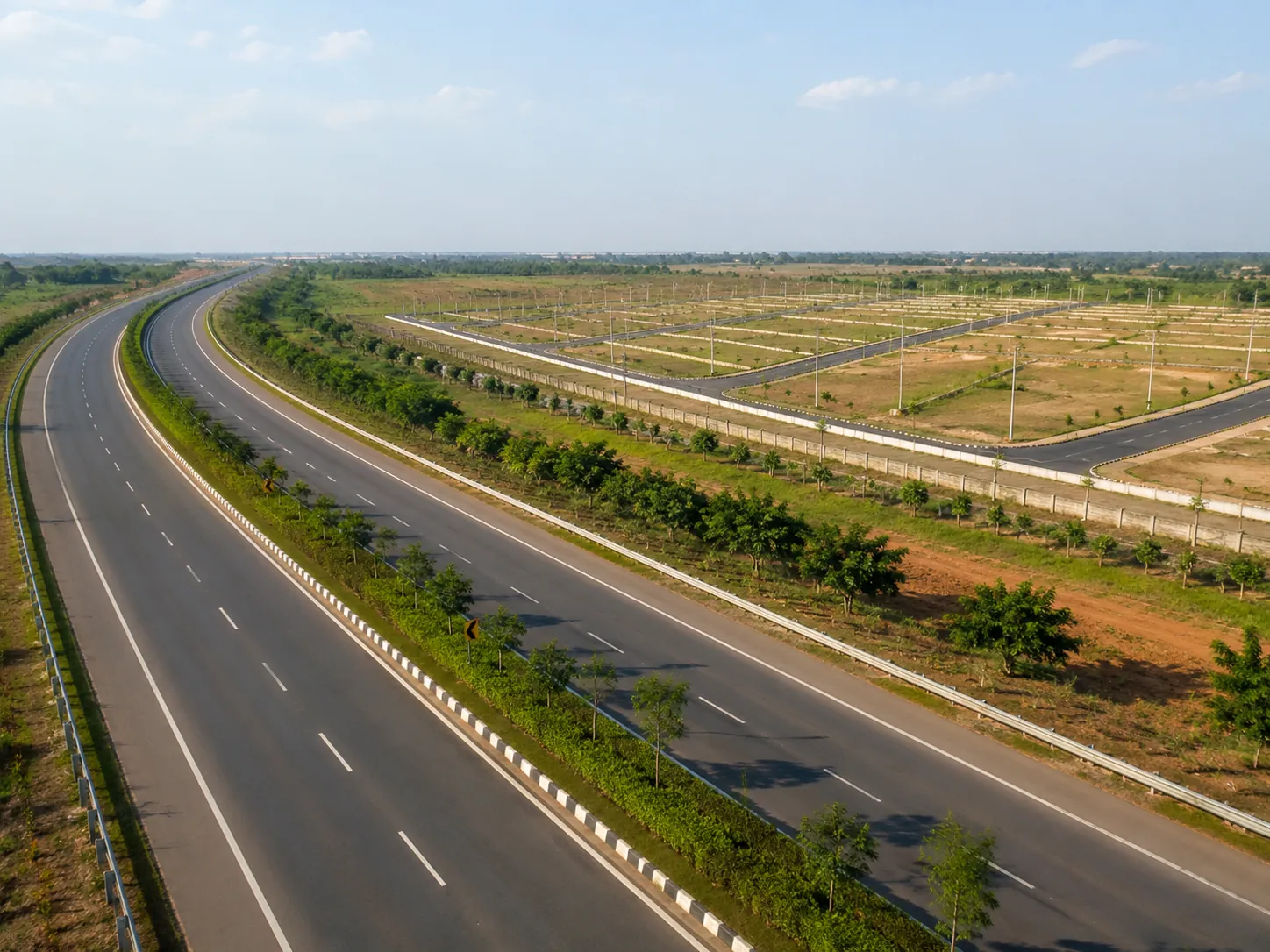
Smart investors study the corridor before the crowd enters.
Many high-growth areas looked early, quiet or far at one
point. The difference usually came from infrastructure, access
and time. Investors who study the direction early often
understand value better.
Investor takeaway
- Study roads, connectivity and access.
- Check surrounding growth drivers.
- Do not judge a location only by today’s crowd.